Successful balcony gardening requires understanding the basics of organic care. From soil preparation to natural pest management, these tips will help you maintain a thriving, chemical-free garden.
Organic Gardening Tips & Tricks
Soil & Composting in Small Spaces
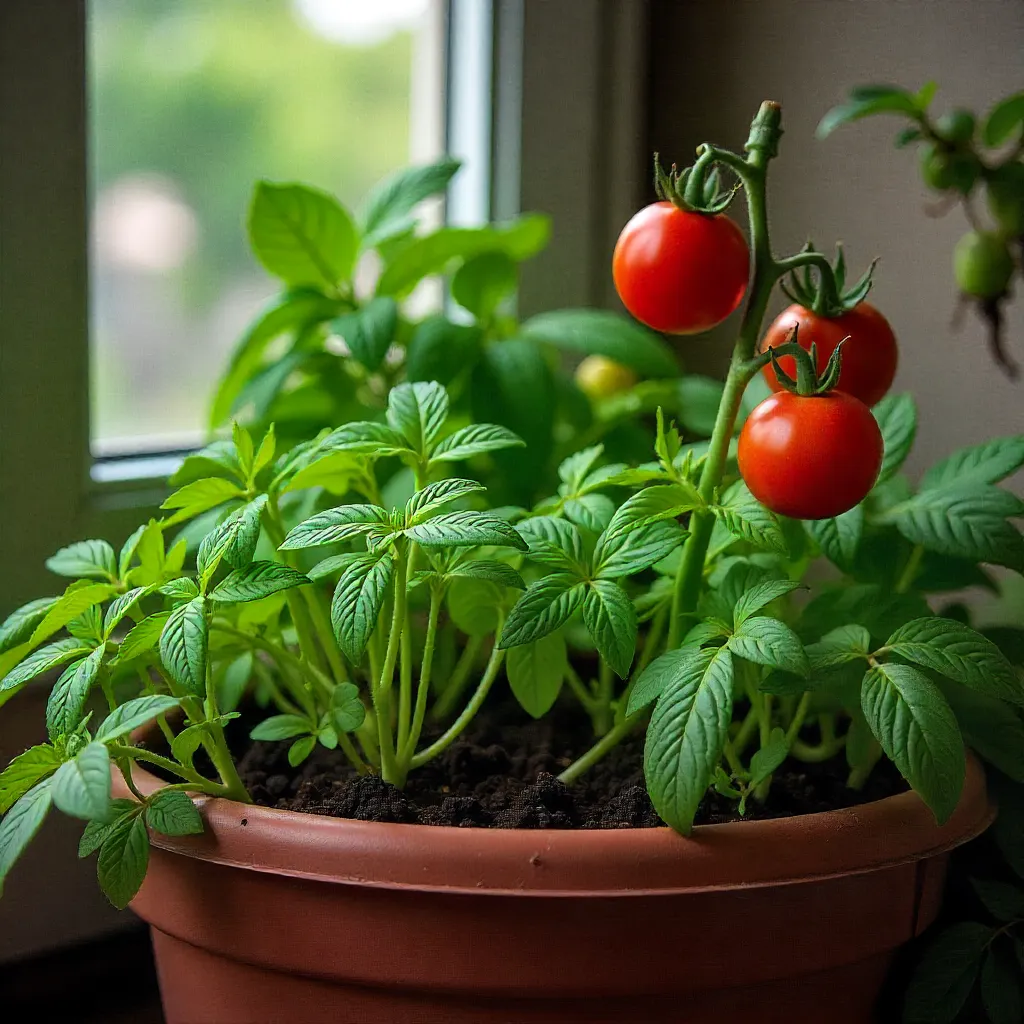
Quality soil is the foundation of healthy plants. In containers, soil quality is even more critical since plants can't access nutrients from the ground.
Potting Mix Basics
Use high-quality potting mix designed for containers. It should be well-draining yet moisture-retentive. Avoid garden soil, which compacts in containers.
Small-Space Composting
Create a compact compost system using a small bin or tumbler. Kitchen scraps, coffee grounds, and plant trimmings can all be composted in small spaces.
Soil Amendments
Add organic matter like compost, worm castings, or aged manure to improve soil structure and nutrient content. Refresh soil annually for best results.
Natural Pest Prevention
Preventing pests naturally is key to organic gardening. Healthy plants and proper practices reduce the need for interventions.
Organic Pest Management Strategies
- Encourage beneficial insects by planting flowers that attract them
- Use companion planting to deter pests naturally
- Regularly inspect plants for early signs of problems
- Remove affected leaves or plants promptly to prevent spread
- Use neem oil or insecticidal soap for severe infestations
- Maintain good air circulation around plants
Watering Schedules for Different Climates
Proper watering is crucial for container plants. Unlike garden plants, containers dry out faster and need more frequent attention.
Hot Weather
In hot climates, water daily or even twice daily during peak summer. Check soil moisture by feeling the top inch - if dry, water thoroughly.
Moderate Weather
In moderate climates, water every 2-3 days. Adjust based on rainfall and plant needs. Morning watering is best to reduce evaporation.
Cool Weather
During cooler months, reduce watering frequency. Overwatering in cool weather can lead to root rot. Water only when soil feels dry.
Fertilizer Alternatives
Organic fertilizers provide nutrients without synthetic chemicals. Many can be made at home using common household items.
Compost Tea
Steep finished compost in water for 24-48 hours, then strain and use as liquid fertilizer. Rich in beneficial microorganisms and nutrients.
Worm Castings
Vermicompost from worm bins is excellent fertilizer. Mix into potting soil or make tea. High in nutrients and beneficial bacteria.
Other Natural Options
Use diluted fish emulsion, seaweed extract, or banana peel water. Coffee grounds add nitrogen. Eggshells provide calcium when crushed.
Daily & Weekly Care Checklist
Daily Tasks
- Check soil moisture levels
- Inspect plants for pests or diseases
- Water if needed (especially in hot weather)
- Remove dead or yellowing leaves
Weekly Tasks
- Fertilize with organic options
- Prune or harvest as needed
- Check for and remove weeds
- Rotate containers if needed for even growth
- Clean up fallen leaves or debris
Seasonal Calendar for Balcony Gardens
Spring
Start seeds indoors, prepare containers, begin planting cool-season crops like lettuce and radishes. Refresh soil in existing containers.
Summer
Plant warm-season vegetables and flowers. Maintain consistent watering. Harvest regularly. Provide shade for heat-sensitive plants.
Fall
Plant cool-season crops again. Begin preparing plants for winter. Reduce watering as temperatures drop. Harvest remaining produce.
Winter
Protect cold-sensitive plants or bring indoors. Maintain winter-hardy plants. Plan next season's garden. Start seeds for spring.